



The Evolution of Mofongo: From Traditional to Contemporary
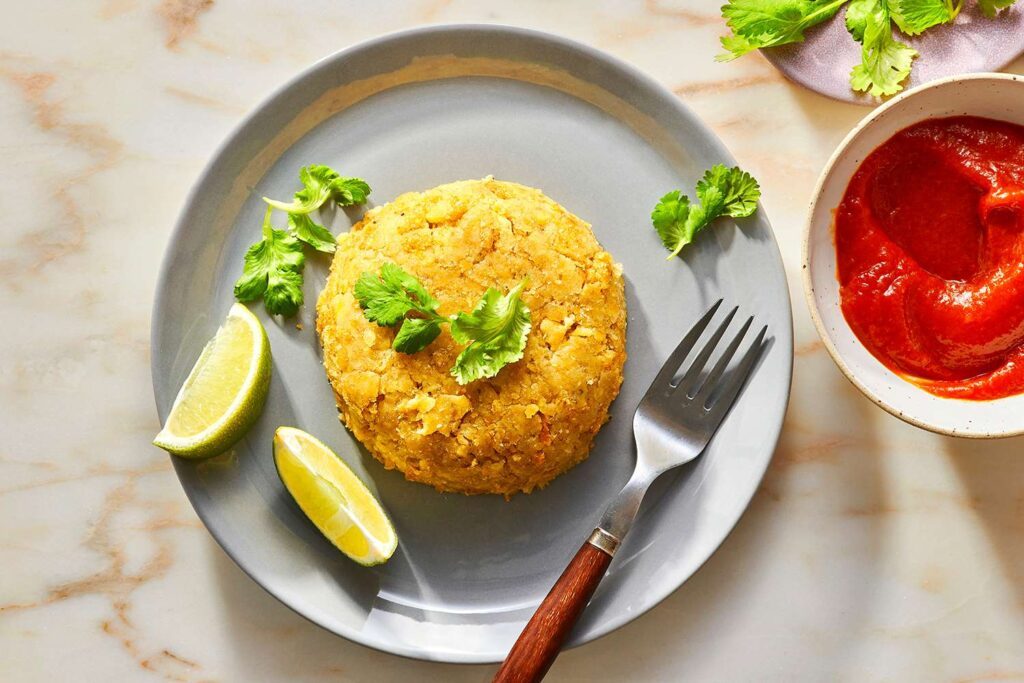
Mofongo isn’t just a dish—it’s a story. A dense, golden ball of mashed green plantains infused with garlic, pork cracklings, and oil, it lands on the plate like a bold statement. It’s hearty. It’s loud. It refuses to be a side dish. And while it may be a staple on nearly every menu in Puerto Rico, mofongo is also a living example of how food carries the weight of history, resistance, creativity, and adaptation.
Roots in Resistance
To understand mofongo, you have to go back—way back—to the African diaspora. The dish evolved from fufu, a West African preparation of pounded starchy vegetables, brought to the Caribbean through the brutal legacy of the transatlantic slave trade. Once in Puerto Rico, enslaved Africans adapted fufu using local and available ingredients, like green plantains. Spanish colonial ingredients like garlic and pork were added to the mix.
That fusion—born out of necessity, oppression, and survival—became mofongo.
Mofongo, then, is not just “Puerto Rican comfort food.” It’s a symbol of cultural endurance and adaptation in the face of colonization. It’s no accident that this dish still reigns supreme centuries later. It’s still being mashed, molded, and reimagined across generations.
The Anatomy of a Classic
Traditionally, mofongo is made in a wooden pilón (mortar), where fried green plantains are pounded with garlic, olive oil or broth, and chicharrón (crispy pork skin). It’s often served with a simple but rich chicken broth poured over or on the side. But what looks simple is actually a textural balance: crispy, soft, garlicky, salty, and starchy all at once.
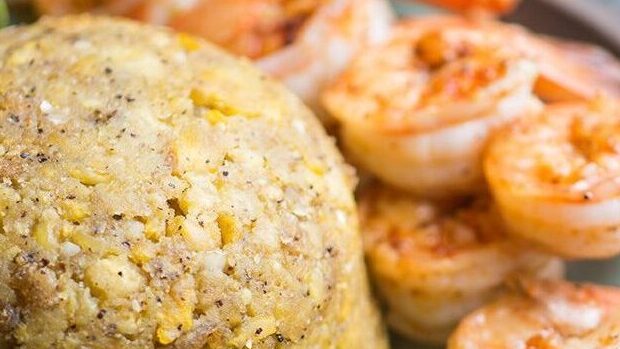
In Rincón, you’ll find mofongo done the old-school way at local favorites like Villa Cofresí or La Cambija—sometimes filled with seafood, shrimp in a garlicky criollo sauce, or roasted pork. These fillings tell their own stories, often tied to Puerto Rico’s coasts and countryside.
Contemporary Twists
Today, mofongo has been reimagined into everything from vegan versions made with jackfruit or mushrooms to deconstructed mofongo bowls layered with avocado crema and mango salsa. In upscale kitchens, you might see mofongo molded into artful towers, topped with lobster or duck confit. There are mofongo tacos, mofongo sliders, and even mofongo sushi rolls.
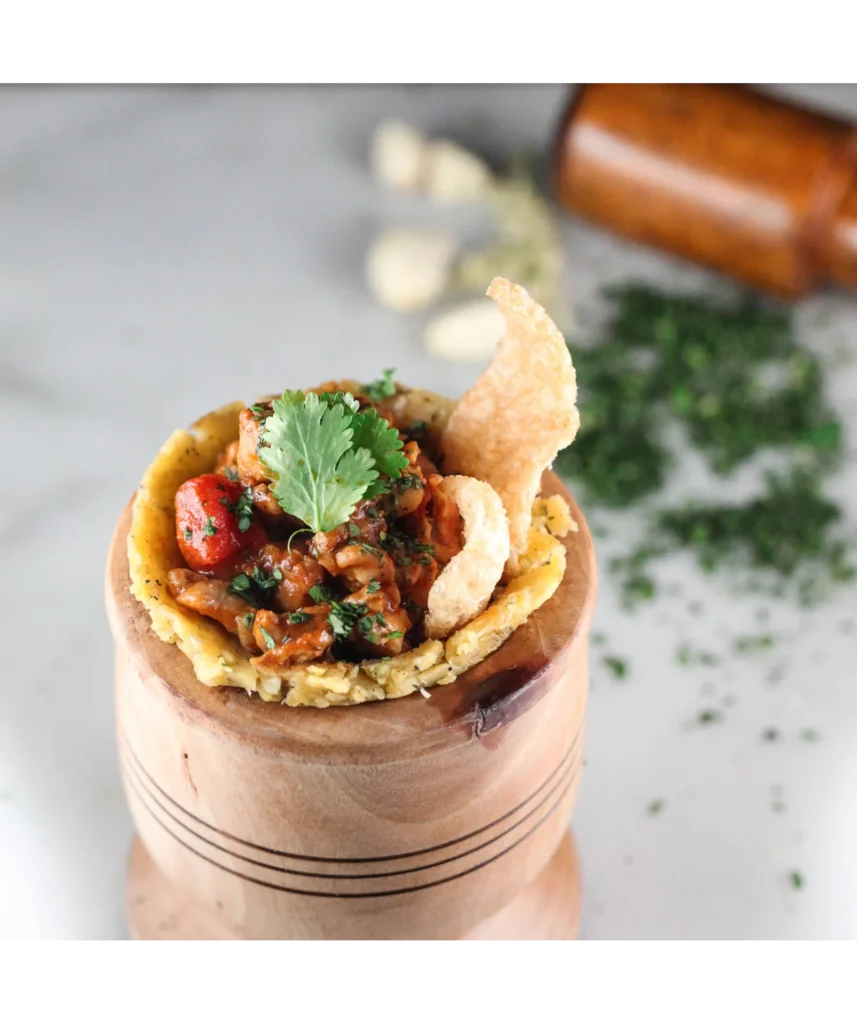
Some purists scoff—but that’s the nature of cultural evolution. If mofongo was born from fusion and resilience, why shouldn’t it keep evolving?
In Rincón, newer restaurants and food trucks are putting their own spin on the classic. You might stumble on a plantain and yuca blend at a beachside pop-up or a mofongo-stuffed empanadilla at a late-night stand. The creativity is limitless—and very Puerto Rican.
More Than Delicious
What makes mofongo special isn’t just how good it tastes (though it does taste incredible). It’s that every bite is layered with memory. It reminds us of grandmothers in aprons, of street vendors yelling orders, of late nights and beachside feasts. It’s a dish made in a pilón, yes—but also in the forge of Puerto Rican identity.
So next time you take a bite of mofongo in Rincón—whether traditional or trendy—remember that you’re eating history. You’re tasting the persistence of culture, the invention of a people, and the flavor of the island itself.